
Parking, Height & Setbacks: What Actually Changes Across UAE Emirates
Parking, Height & Setbacks: What Actually Changes Across UAE Emirates
When developers compare opportunities across the UAE, they often focus on land price and sales values.
But three variables quietly determine whether a project succeeds or fails:
Parking. Height. Setbacks.
These are not small technical details.
They are the structural levers that shape feasibility, massing, efficiency, and ultimately IRR.
Across the UAE, these three variables change more than most developers realise.
Why These Three Variables Matter Most
Every feasibility model is built on:
- Buildable area
- Efficiency ratio
- Construction cost
- Sellable area
Parking, height, and setbacks directly influence all four.
Small regulatory differences between emirates can:
- Remove entire floors
- Reduce unit count
- Increase structural cost
- Cut net sellable area
- Compress margins
Let’s break down how they differ across the UAE.
1️⃣ Parking: The Most Underestimated Variable
Parking requirements vary significantly by emirate and by use type.
Dubai
- Parking often flexible depending on zoning
- Some exclusions and partial allowances
- Mixed-use may allow shared ratios
Abu Dhabi
- Stricter parking ratios
- Clear enforcement
- Often higher per-unit allocation
Sharjah
- Residential parking can be demanding
- Direct impact on FAR utilisation
Ajman
- On-site parking is often mandatory
- Limited flexibility
Northern Emirates (RAK, UAQ, Fujairah)
- Moderate ratios
- Coastal and tourism zones may differ
Parking directly affects:
- Basement cost
- Podium design
- Structural complexity
- Efficiency percentage
It is one of the biggest hidden feasibility drivers.
2️⃣ Height: The Assumption That Breaks Deals
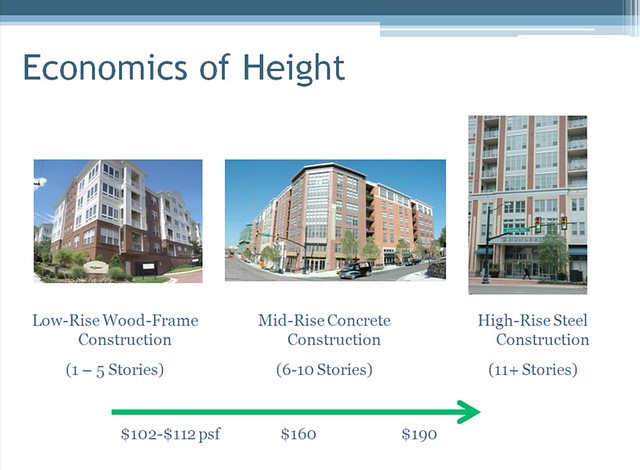
Height assumptions are frequently overstated during land negotiations.
Across the UAE, height depends on:
- Road width
- Plot frontage
- Zoning category
- Master developer rules
- Coastal restrictions
Dubai
Height often flexible — but not unlimited.
Abu Dhabi
Height tied closely to district planning intent.
Sharjah
Height frequently linked to plot size and FAR.
Ajman
More defined caps, stricter enforcement.
RAK & Fujairah
Coastal controls may reduce allowable floors.
A two-floor reduction can completely change project returns.
3️⃣ Setbacks: The Silent Massing Constraint
Setbacks determine the real buildable envelope — not the plot size.
Across emirates:
- Road-facing setbacks vary by classification
- Side and rear setbacks differ by land use
- Corner plots behave differently
- Master developers may impose additional margins
Even when FAR allows density, setbacks may prevent full utilisation.
The result?
Design inefficiency and reduced net sellable area.
Why Developers Misjudge Multi-Emirate Opportunities
A project that works in Dubai may fail in Sharjah.
A mid-rise concept viable in Ajman may underperform in Abu Dhabi.
Not because demand is different — but because:
- Parking consumes more space
- Height is capped lower
- Setbacks shrink floor plates
Without modelling these properly, developers price land using unrealistic assumptions.
The Compounding Effect on IRR
Consider this scenario:
- 10% reduction in buildable area
- 5% lower efficiency
- 1 additional basement level
- 6-month delay due to redesign
Individually, these seem manageable.
Combined, they materially compress IRR.
This is how land deals quietly lose profitability.
How PlotBrain Handles These Variables Automatically
PlotBrain integrates:
- Emirate-specific parking ratios
- Height logic based on zoning
- Setback enforcement rules
- Plot geometry calculations
- Massing envelope generation
Instead of estimating buildable area, developers get compliant outputs instantly.
Parking, height, and setbacks are applied before pricing decisions are made.
Conclusion
Land price is visible.
Sales value is visible.
But parking, height, and setbacks determine the real economics.
Across the UAE, these variables change more than most assume.
Developers who understand them early price land correctly.
Those who don’t discover the impact too late.
Want more UAE feasibility insights? Follow PlotBrain for weekly analysis.